
You're tired in a way sleep doesn't fix. Your thinking feels foggy, your sleep is restless, and your body aches more than it should. Search those symptoms and you'll find three very different answers: a tick-borne infection, a thyroid problem, or hormonal changes.
All three can look remarkably alike. In my years as a nurse practitioner, this is one of the most common puzzles women bring to me, and the honest truth is that symptoms alone rarely identify the cause (1, 3, 5). What helps is the fuller picture: your history, your exposures, and the right testing. Let's walk through how I sort it out.
Key Takeaways
Tick-borne illness symptoms, thyroid dysfunction, and hormonal shifts share fatigue, brain fog, poor sleep, aches, and mood changes.
A tick bite often goes unnoticed, and not everyone develops a rash (1).
Lyme disease does not routinely cause thyroid disease, though rare cases of Lyme-related thyroiditis have been reported (6).
More than one condition can be present at the same time.
Exposure history, a careful exam, and targeted labs are what separate one cause from another.
Why Tick-Borne Illness, Thyroid Problems, and Hormonal Imbalances Can Feel Similar
Fatigue, brain fog, sleep disturbances, muscle aches, mood changes, anxiety, and weight changes can show up with all three. That's because each one touches systems that reach every cell in your body.
An infection activates your immune system, and that inflammatory response can leave you drained and achy (1, 2). Thyroid hormone sets the pace of your metabolism, so too little or too much shifts energy, weight, temperature, and mood (3, 4). Estrogen and progesterone influence sleep, temperature regulation, and focus, which is why perimenopause can feel so disorienting (5).
Same symptom, different root. A symptom list can start the conversation, but it can't become a diagnosis. These conditions also aren't mutually exclusive. A woman in perimenopause can have an underactive thyroid and pick up a tick bite while gardening. Part of my job is making sure one explanation doesn't hide another.

Tick-Borne Illness Symptoms: What to Look For
Early symptoms
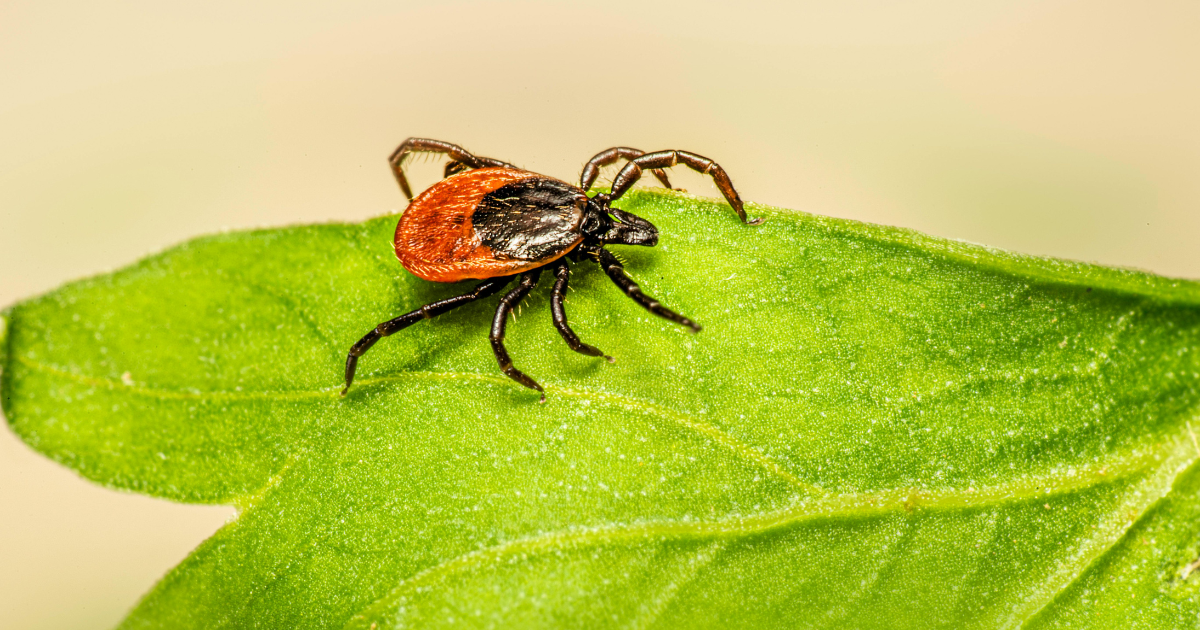
Early tick-borne illness symptoms often feel like the flu: fever, chills, headache, fatigue, and muscle aches (1). With Lyme disease, the classic sign is a red skin rash that slowly expands around the bite (1).
Not everyone notices a rash, though. It can appear somewhere hard to see, like your scalp or the back of your knee, or look different from the textbook bullseye. Ticks are tiny and their bite is painless, so many people never knew one was attached. Other infections, like Rocky Mountain spotted fever, can begin with fever and headache before any rash appears and need prompt medical care.
Developing symptoms
If an infection spreads, symptoms can include joint pain and swelling, neurological symptoms such as facial weakness or nerve pain, heart rhythm changes, and ongoing fatigue (1).
Some people still feel unwell after treatment. In one prospective study of patients diagnosed and treated promptly for early Lyme disease, about 14% met criteria for post-treatment Lyme disease, with lingering fatigue and pain, and women had higher risk (2). Persistent symptoms after treatment are not the same as active infection, and telling them apart shapes the next step.
Infection and the immune response
Many of these symptoms come from your immune system doing its job. The inflammatory signals that fight infection also drive fever, aches, and exhaustion, which is part of why infection can mimic so many other conditions.
Prevention still matters most. After time outdoors in tall grass or wooded areas, check your skin and remove any attached tick promptly with fine-tipped tweezers, since a tick needs time attached to transmit most infections (1).
Tick-Borne Illness Thyroid Symptoms: Is There a Connection?
Fatigue, muscle aches, and trouble thinking clearly are hallmarks of both an infection and a thyroid that isn't working well (1, 3).
Hypothyroidism symptoms that may overlap with tick-borne illness
An underactive thyroid can cause (3):
Fatigue and low stamina
Muscle aches and stiffness
Brain fog and slowed thinking
Low mood
Weight gain, feeling cold, dry skin, and constipation
Hyperthyroidism symptoms that may be mistaken for infection or hormonal changes
An overactive thyroid can cause (4):
Anxiety and restlessness
Insomnia
A racing or pounding heart
Unintentional weight loss
Heat intolerance and sweating, which can feel like a fever or hot flashes
Loose stools and irregular periods
Can a tick-borne illness cause thyroid dysfunction?
Rarely. Clinicians have reported cases where Lyme disease appeared to trigger painless thyroiditis, in one case alongside heart inflammation, with thyroid labs returning to normal after antibiotic treatment (6). Serious illness of any kind can also temporarily shift thyroid lab values without true thyroid disease, a pattern called nonthyroidal illness (7).
To be clear, Lyme disease does not routinely cause thyroid disease, but I have seen chronic infections impact the thyroid. If your thyroid labs look off during or after an infection, they're worth rechecking once you've recovered.
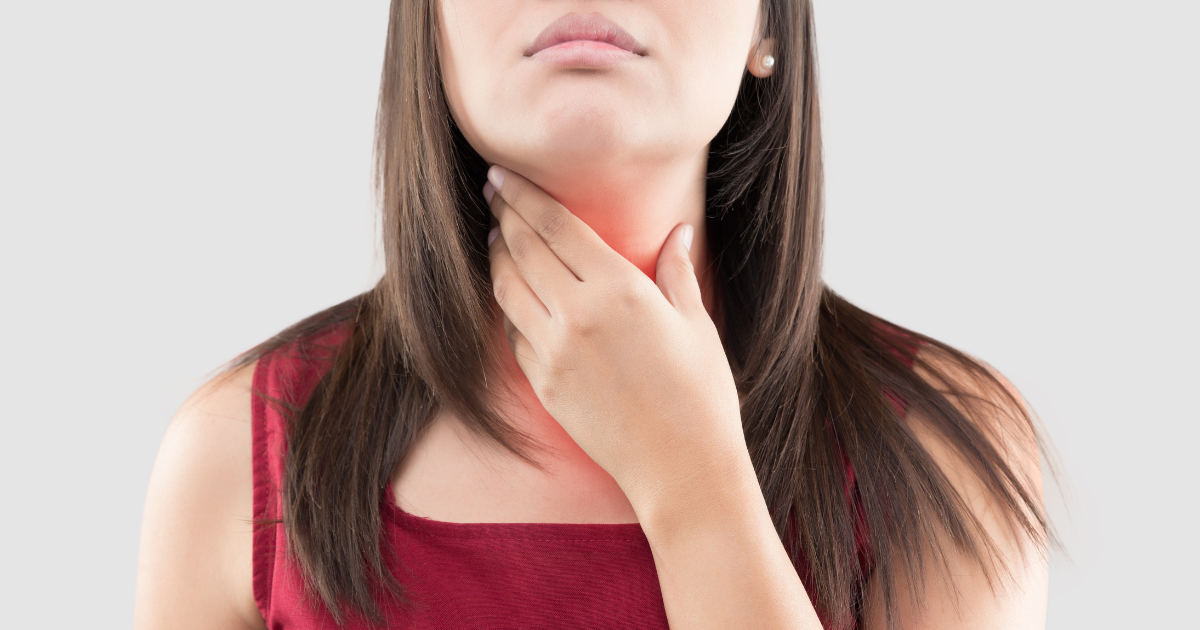
Tick-Borne Illness Hormone Symptoms
Tick-borne illness can look a lot like midlife hormone shifts: fatigue, disrupted sleep, mood changes, reduced stamina, and difficulty concentrating.
Perimenopause and menopause have their own signature, though. Most women, roughly half to three quarters, experience hot flashes, night sweats, or both during the transition, and these symptoms often last more than seven years (5). Night sweats deserve a closer look, since they can also come with infection or an overactive thyroid.
Other hormonal clues include menstrual irregularity, changes in libido, vaginal dryness, and unexplained weight changes (5).
Can infection or prolonged illness affect hormones?
Yes. Your body treats illness as a stressor, and that stress response can change how hormones are made and converted, including thyroid hormone (7). Months of poor sleep and inflammation can also amplify symptoms perimenopause already brings. This is exactly where whole-body thinking matters.
Tick-Borne Illness vs. Thyroid Problems vs. Hormonal Imbalance: Key Differences
Each condition tends to leave different clues. Tick-borne illness often follows tick exposure and brings fever, headache, a rash, or muscle and joint aches; it may come on suddenly or develop over weeks, and it's diagnosed through exposure history, a physical exam, and infection-specific testing (1). Its biggest limitation is that the tick bite itself may go unnoticed.
Thyroid dysfunction more often shows up as temperature sensitivity, bowel changes, heart-rate changes, or skin and hair changes. It may build gradually or become noticeable over a shorter stretch, and it's confirmed with thyroid blood tests plus a clinical assessment, because symptoms alone can't confirm it (3, 4).
Hormonal changes tend to bring menstrual changes, hot flashes, night sweats, and shifts in libido. They often follow a life-stage transition, a change in your cycle, or another endocrine condition, and they're evaluated through your medical history, an exam, and targeted testing when it's useful. Symptoms vary with the hormone involved and your stage of life (5).
Symptom Patterns Can Offer Clues
Timing and context often tell me more than any single symptom. Fatigue that started with a fever after a summer of hiking points one direction. Fatigue that crept in alongside heavier periods, hot flashes, and 3 a.m. wake-ups points another. A racing heart, unexplained weight loss, and heat intolerance raise thyroid questions. I also look at what makes symptoms better or worse, whether they come in waves, and what changed in your life when they began. Writing down when each symptom started and what was happening at the time is one of the most helpful things you can bring to an appointment.
What Tests Can Help Identify the Cause of Your Symptoms?
A detailed history and physical exam, including possible tick exposure and any rash. A typical Lyme rash after likely exposure can be diagnosed clinically, without a blood test (1).
Lyme disease antibody testing when symptoms fit. Early in the infection these tests can be negative, so timing matters (1).
Testing for other tick-borne infections when the picture suggests one.
Thyroid labs: TSH, free T4, free T3, reverse T3 and thyroid antibodies (3, 4).
Reproductive hormones such as FSH and estradiol when helpful, keeping in mind they fluctuate during perimenopause (5).
Foundational labs: a complete blood count, metabolic panel, iron, vitamin B12, vitamin D, and blood sugar markers to check for other common contributors.
Frequently Asked Questions
Can tick-borne illness cause thyroid symptoms?
It can cause symptoms that feel like thyroid problems, such as fatigue, aches, and brain fog. I have seen some infections impact the thyroid. Actual Lyme-related thyroiditis is rare (1, 6).
Can Lyme disease affect hormones?
Prolonged illness is a physical stressor that can shift hormone signaling, including thyroid hormone conversion (7). It can also worsen sleep and energy problems that perimenopause already brings.
What are the most common tick-borne illness thyroid symptoms?
The overlap usually involves fatigue, muscle aches, low stamina, poor concentration, and mood changes (1, 3).
How can you tell the difference between Lyme disease and a thyroid problem?
Tick exposure, fever, or a rash point toward infection. Temperature sensitivity, bowel changes, and skin or hair changes point toward the thyroid. Testing confirms which, or both (1, 3).
Can hormonal imbalance cause fatigue and brain fog?
Yes. Shifting estrogen and progesterone can disrupt sleep and focus, especially during perimenopause (5).
Can thyroid problems cause symptoms that feel like menopause?
Yes. An overactive thyroid can bring sweating, heat intolerance, irregular periods, and poor sleep, which can feel a lot like menopause (4).
What blood tests can help distinguish thyroid problems from other conditions?
TSH and free T4 are the starting point, with T3 and thyroid antibodies when needed (3, 4).
Can you have a tick-borne illness and a thyroid disorder at the same time?
Yes. One doesn't rule out the other, which is why a thorough workup matters (6).
What should you do if your thyroid tests are normal but symptoms continue?
Keep looking. Contact a nurse practitioner or physician who will review your exposures, hormones, and foundational labs rather than stopping at one normal result.
When you feel sick, tired, and foggy, it's natural to want one clear answer. Tick-borne infections, thyroid dysfunction, and hormonal changes can look nearly identical from the outside, and sometimes more than one is happening at once. The way forward is a careful look at your history, your exposures, and the right labs, so your treatment matches what's actually driving your symptoms.
Ready to Find Your Answers?
You deserve care that looks at the whole picture. I've helped more than 400 patients at Rising Soul Health, and I'd love to hear what you're experiencing. Rising Soul Health serves patients across Pennsylvania through telehealth. Book a free 15-minute call to talk through your next step.
References
Lantos PM, Rumbaugh J, Bockenstedt LK, et al. Clinical practice guidelines by the Infectious Diseases Society of America (IDSA), American Academy of Neurology (AAN), and American College of Rheumatology (ACR): 2020 guidelines for the prevention, diagnosis, and treatment of Lyme disease. Clin Infect Dis. 2021;72(1):e1-e48. doi:10.1093/cid/ciaa1215
Aucott JN, Yang T, Yoon I, Powell D, Geller SA, Rebman AW. Risk of post-treatment Lyme disease in patients with ideally-treated early Lyme disease: a prospective cohort study. Int J Infect Dis. 2022;116:230-237. PMID: 35066160. doi:10.1016/j.ijid.2022.01.033
Chaker L, Razvi S, Bensenor IM, Azizi F, Pearce EN, Peeters RP. Hypothyroidism. Nat Rev Dis Primers. 2022;8(1):30. PMID: 35589725. doi:10.1038/s41572-022-00357-7
Lee SY, Pearce EN. Hyperthyroidism: a review. JAMA. 2023;330(15):1472-1483. PMID: 37847271. doi:10.1001/jama.2023.19052
Crandall CJ, Mehta JM, Manson JE. Management of menopausal symptoms: a review. JAMA. 2023;329(5):405-420. PMID: 36749328. doi:10.1001/jama.2022.24140
Zarghamravanbakhsh P, Saeidifard F, Atteya G, Murthi S, et al. Coexisting thyroiditis and carditis in a patient with Lyme disease: looking for a unifying diagnosis. AACE Clin Case Rep. 2022;8(4):150-153. doi:10.1016/j.aace.2022.02.003
Vidart J, Jaskulski P, Kunzler AL, Marschner RA, Ferreira de Azeredo da Silva A, Wajner SM. Non-thyroidal illness syndrome predicts outcome in adult critically ill patients: a systematic review and meta-analysis. Endocr Connect. 2022. Available via DOAJ